The Congolese head of state, Félix Tshisekedi, made a diplomatic stop in Luanda this week to reaffirm his country’s backing for regional peace initiatives addressing the escalating crisis in eastern Democratic Republic of Congo (DRC). The visit came as Angola hosts critical consultations aimed at unlocking stalled inter-Congolese dialogue.
The bilateral meeting between Tshisekedi and Angolan counterpart João Lourenço took place ahead of a regional summit focused on stabilizing Africa’s Great Lakes region. It followed months of preparatory exchanges, including a May mission to Luanda by DRC presidential envoys to align on Angola’s proposed framework for inclusive national discussions.
Angolan officials confirmed consultations with multiple Congolese stakeholders and delivery of a structured roadmap to Kinshasa. The document outlines benchmarks and reference points for talks aimed at bridging divides between government, opposition factions, and civil society groups that have so far prevented the dialogue from convening.
Urgency of verifiable peace in eastern DRC
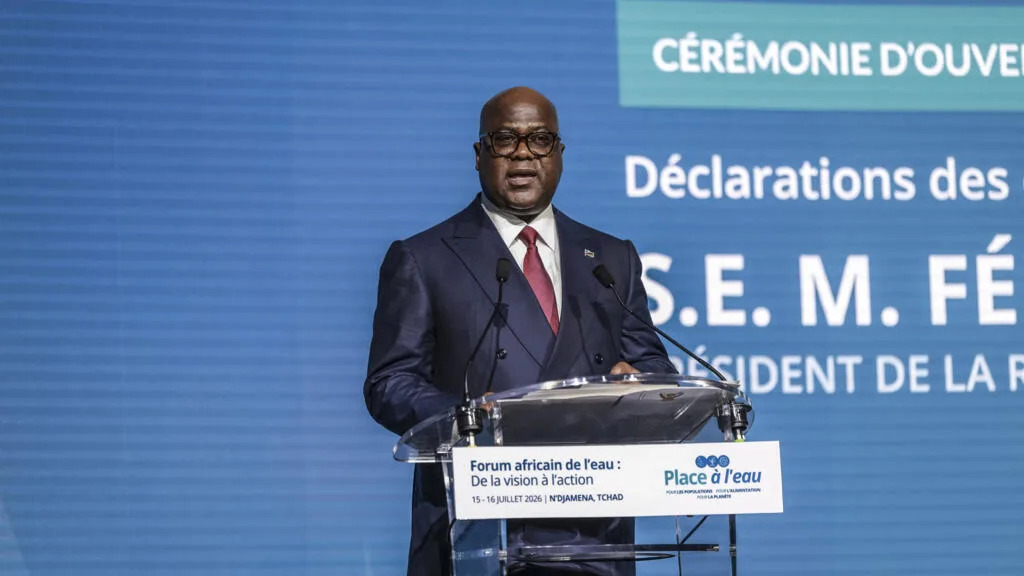
In his summit address, President Tshisekedi framed the crisis in eastern DRC as “a litmus test for Africa and the international community.” He highlighted the human toll—mass displacement, human rights abuses, and illicit exploitation of mineral wealth—while condemning foreign interference and armed group violence that continue to destabilize communities.
The Congolese leader reiterated strong support for the Washington and Doha processes, stressing that sustainable peace must be tangible on the ground rather than confined to diplomatic declarations. “We need actions that local populations can see and feel,” he emphasized.
Angolan President João Lourenço echoed the call for negotiated solutions, citing eastern DRC as one of the world’s most pressing conflict zones. He urged stepped-up commitment to international law and African-led diplomacy, positioning Angola as a key facilitator in resolving the continent’s crises through homegrown mechanisms.
Despite multiple diplomatic channels—including ongoing Angolan-led facilitation of inter-Congolese dialogue—the security situation remains dire. Deadly clashes, civilian displacements, and unaddressed grievances persist, underscoring the gap between high-level negotiations and realities on the ground.