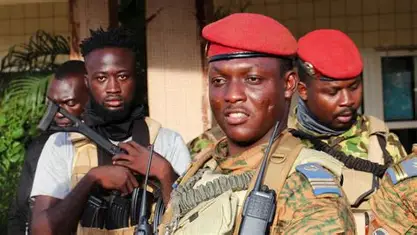
Diplomatic tensions escalate as Burkina Faso challenges European scrutiny
The military-led government in Burkina Faso, which assumed power following the September 2022 coup, has responded to a European Parliament resolution condemning human rights violations and restrictions on public freedoms by summoning the European Union’s ambassador. Rather than embracing transparency, officials in Ouagadougou have opted for confrontation, dismissing external criticism while insisting on the country’s alleged progress under Captain Ibrahim Traoré’s leadership.
Calls for independent verification of official claims
Despite official narratives celebrating territorial stabilization and economic development, international observers remain skeptical. Rather than inviting a delegation of European parliamentarians to witness these purported advances firsthand, Burkinabè authorities have chosen to contest the resolution through diplomatic channels. This approach raises questions about the credibility of the regime’s assertions, particularly as independent reports continue to highlight persistent insecurity in certain regions, as well as concerns regarding fundamental freedoms and humanitarian conditions.
The European Parliament’s resolution is grounded in findings from reputable sources, including the United Nations, human rights organizations, and other independent entities. In light of these assessments, the most effective way for Burkina Faso to substantiate its claims would be to allow international observers unfettered access to verify conditions on the ground. Demonstrating tangible progress through verifiable evidence could help dispel doubts and strengthen the government’s position.
The unresolved question of security and governance
The core issue at stake is not merely a diplomatic dispute but the fundamental question of accountability. Are the security gains and economic initiatives touted by the transitional authorities truly robust enough to withstand external scrutiny? A formal visit by European lawmakers could provide the impartial assessment needed to either confirm or challenge the regime’s narrative, offering clarity amid conflicting accounts of Burkina Faso’s current trajectory.