The Burkina Faso government has taken legal action against the French media giant Canal+, accusing the broadcaster of refusing to air the country’s national television channel free of charge. This dispute centers on the broadcaster’s obligation to provide free airtime to public television, a requirement under national media regulations.
The case was brought before the courts after months of failed negotiations between Burkina Faso’s National Broadcasting Authority and Canal+. The government argues that Canal+ has consistently ignored its legal obligations, effectively blocking public access to essential national content.
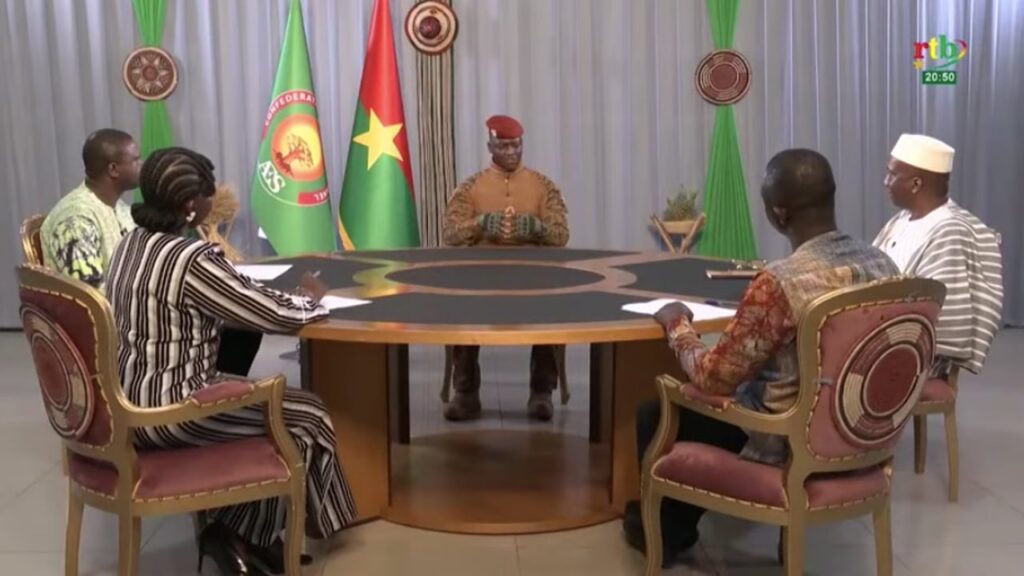
At the heart of the controversy is a recent high-profile interview conducted by Burkina Faso’s national broadcaster with Captain Ibrahim Traoré, the country’s transitional leader. The interview, which was widely circulated on social media, has further fueled tensions between the two parties.
The Burkina Faso authorities have emphasized that national television broadcasts must be freely accessible to all citizens, regardless of subscription status. They contend that Canal+’s refusal to comply with this principle undermines the public service mandate of Burkina Faso’s media outlets.
Legal experts suggest that the outcome of this case could set a precedent for how international broadcasters interact with national television channels across Africa. The government has not ruled out seeking additional remedies if the court rules in its favor.
Key points of contention
- Burkina Faso’s demand for free airtime for its national television channel on Canal+
- Canal+’s alleged refusal to comply with local media regulations
- The role of Captain Ibrahim Traoré’s recent interview in escalating the dispute
- Potential implications for international broadcasters operating in Africa