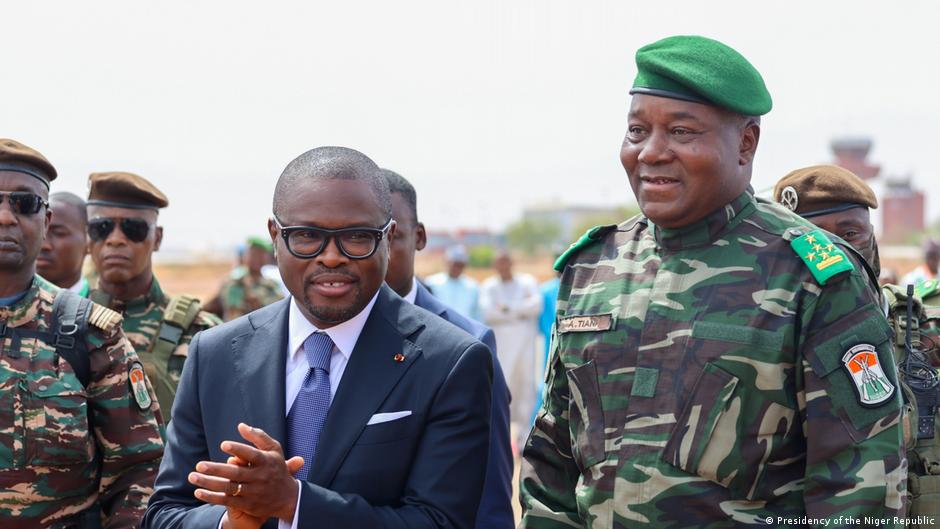
The inauguration of President Romuald Wadagni on May 24 marked the beginning of a new diplomatic chapter for Bénin. His first regional tour—spanning Nigeria, Niger, Mali, Burkina Faso, Togo, Côte d’Ivoire, and Sénégal—signals a deliberate shift away from the strained relations left by his predecessor, Patrice Talon.
This strategic pivot underscores a fresh approach to West African diplomacy, one that replaces confrontation with pragmatic engagement. Since the 2020–2023 wave of coups in Sahelian states, Bénin had adopted a hardline stance toward the Alliance of Sahel States (AES), particularly Niger. Under Wadagni, the focus has shifted to shared security and economic cooperation, aligning with broader regional stability goals.
Will this bold diplomatic reset succeed in fostering trust and collaboration? That question takes center stage as analysts weigh the potential outcomes of Bénin’s recalibrated foreign policy.
panel debates new Benin approach under wadagni
Understanding the implications of this shift requires deeper insight. Here’s what the expert voices are saying:
- Paul Amoussou, Editor-in-Chief of La Nation, examines how domestic media in Bénin perceive the policy change.
- David Dosseh, Spokesperson for the civic movement Togo Debout, offers perspective on regional ripple effects.
- Ousmane Ndiaye, an independent journalist, analyzes the strategic risks and rewards for Bénin’s economy and security.