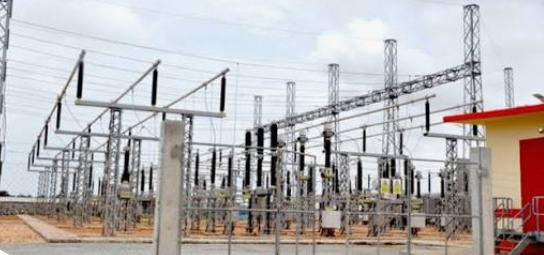
Recent sporadic power cuts in the Benin electricity grid have raised concerns, but the situation could have been far worse. Natural factors, such as declining water levels in regional dams, combined with a major fire at a key installation in Ghana on April 23, have disrupted the West African power network. The incident resulted in a staggering loss of nearly 1,000 MW, forcing Accra to suspend electricity exports to neighboring countries, including Burkina Faso, Togo, and Benin.
For Cotonou, this sudden disruption posed a critical test of resilience. While some users of the SBEE experienced temporary interruptions, the worst-case scenario—a nationwide blackout—was avoided thanks to strategic long-term investments in domestic energy infrastructure.
Maria-Gléta 2: The Power Plant That Averted Disaster
The Maria-Gléta 2 thermal power plant stands as a testament to the government’s proactive energy strategy. Unlike in previous years, when a disruption from Ghana would have crippled the national economy and plunged households into darkness for weeks, the country now has a reliable safeguard.
Part of the Government Action Program (PAG), this flagship thermal plant is operating at full capacity to fill the void left by lost imports. It acts as a crucial buffer, transforming what could have been a national catastrophe into a manageable technical challenge. As officials have stated, “Every megawatt generated within Benin’s borders is a victory for our energy sovereignty and a guarantee of stability for our families.”
The power plant’s role underscores how forward-thinking investments have fortified the country’s energy security, ensuring uninterrupted supply even in the face of external shocks.
Paving the Way to Energy Independence
The administration led by President Patrice Talon is not content to rely on neighboring networks indefinitely. Recognizing that true national sovereignty depends on energy self-sufficiency, the government is accelerating efforts to modernize distribution networks and diversify energy sources—particularly through solar initiatives.
The long-term goal is clear: achieving complete energy autonomy. By expanding domestic thermal and renewable capacity, Benin is ensuring that its industrial growth and daily life remain unaffected by external technical failures or geopolitical dependencies.
A Proven Strategy for Long-Term Resilience
The recent power fluctuations serve as a reminder that regional interdependence, though reduced, still exists. Yet, this challenge has also validated the wisdom of significant investments made since 2016. The construction of Maria-Gléta has provided Benin with unparalleled energy resilience, proving that energy independence is no longer a distant aspiration but an achievable reality in the making.