Bénin strengthens regional economic ties with 73% compliance rate
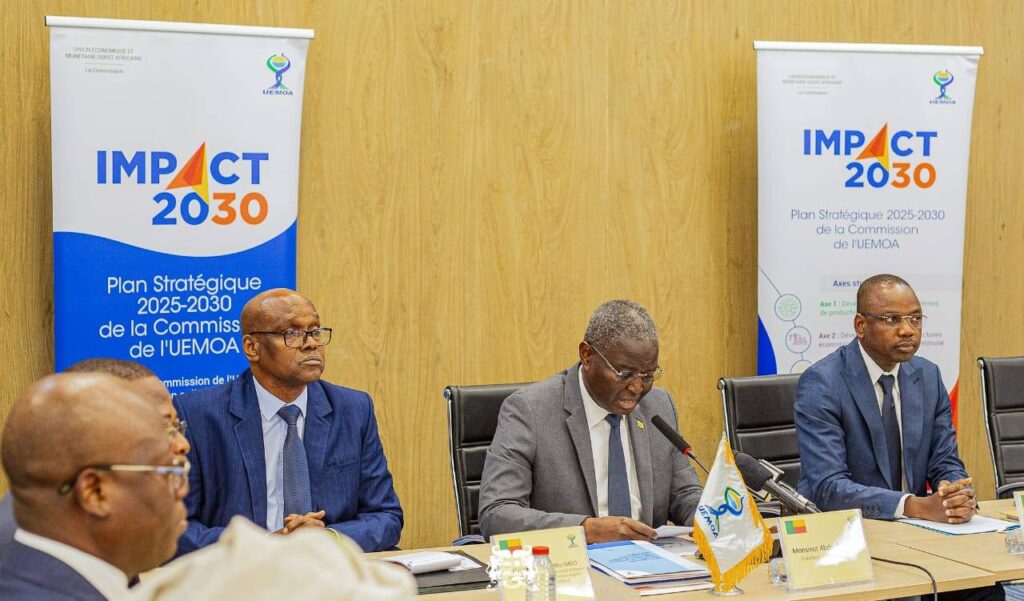
On Thursday, July 23, 2026, the Ministry of Economy and Finance in Cotonou hosted the 2026 Annual Policy Review of UEMOA’s community reforms, policies, programs, and projects. After a meticulous evaluation of 145 regulatory texts, the country secured a 73% implementation rate—exceeding the 70% threshold deemed satisfactory. This milestone underscores Bénin’s unwavering commitment to fostering economic integration within the West African economic bloc.
Institutional engagement drives UEMOA integration forward
The Annual Policy Review serves as a critical mechanism to assess how effectively member states align national legislation with UEMOA’s community legal framework. This year’s session brought together representatives from the UEMOA Commission and Bénin’s sectoral ministries in Cotonou to rigorously assess the country’s progress in transposing and enforcing regional directives. The discussions also aimed to pinpoint administrative or technical bottlenecks that could hinder the momentum of regional integration.
A three-pillar evaluation framework
The 2026 review evaluated Bénin’s compliance across 145 community texts, structured around three key pillars essential for West African economic development:
- Economic governance and convergence: This includes aligning budgetary frameworks, enhancing multilateral oversight, and promoting transparency in public financial management.
- Common market integration: Focuses on facilitating the free movement of people, goods, services, and capital, alongside easing business establishment rights.
- Sectoral policy alignment: Targets harmonizing national initiatives in critical areas such as transportation, energy, agriculture, environment, and digital infrastructure.
Exceeding expectations with a 73% compliance rate
The evaluation results revealed that Bénin achieved a 73% overall compliance rate, surpassing the 70% benchmark recognized as a strong indicator of meaningful progress. This achievement reflects the country’s consistent reform efforts over recent years while highlighting specific areas where targeted improvements are still needed.
Leadership perspectives: celebrating progress and planning ahead
The post-review discussions provided a platform for both UEMOA and Bénin’s officials to reflect on the integration process and chart a course for future collaboration.
The President of the UEMOA Commission emphasized that the review is not merely an audit but a strategic transformation tool. He praised Bénin’s strong commitment and expressed confidence that the next review would reflect substantial advancements in the areas requiring further attention.
Bénin’s Minister of Economy and Finance, responsible for Cooperation, highlighted the systematic and collaborative efforts of the country’s administrative teams. He noted that the 73% compliance rate is a direct result of a structured, ongoing monitoring system and cross-departmental mobilization. The minister also pointed out that the review helps identify regulatory hurdles, fosters the exchange of best practices, and paves the way for concrete solutions to accelerate the implementation of pending directives.
Addressing remaining gaps to solidify regional integration
The 27% remaining gap represents the next frontier for Bénin’s reform agenda. Addressing complex sectoral policies will require intensified interministerial coordination and targeted interventions to bridge these shortfalls before the next annual review.
The Minister reiterated the government’s determination to sustain the reform momentum, setting the stage for measurable progress in the identified priority sectors ahead of the next evaluation cycle.
A model for regional economic integration
By surpassing the 70% compliance threshold, Bénin has demonstrated how disciplined governance and institutional follow-through can transform regional commitments into tangible legal and economic realities. In a context marked by global and regional economic challenges, Cotonou’s fiscal discipline and regulatory alignment not only bolster the country’s international financial credibility but also contribute to building a more cohesive and competitive West African single market.