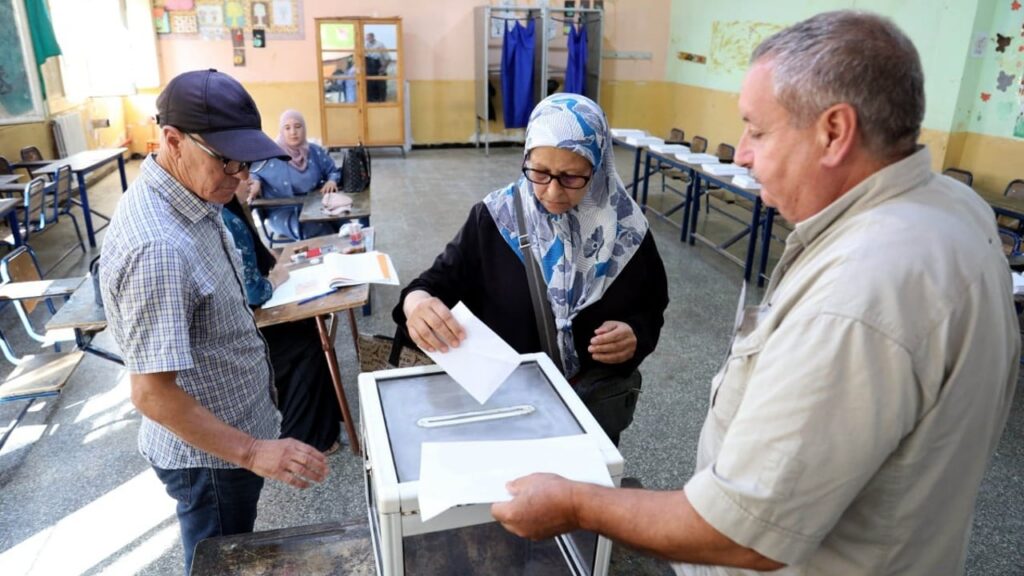
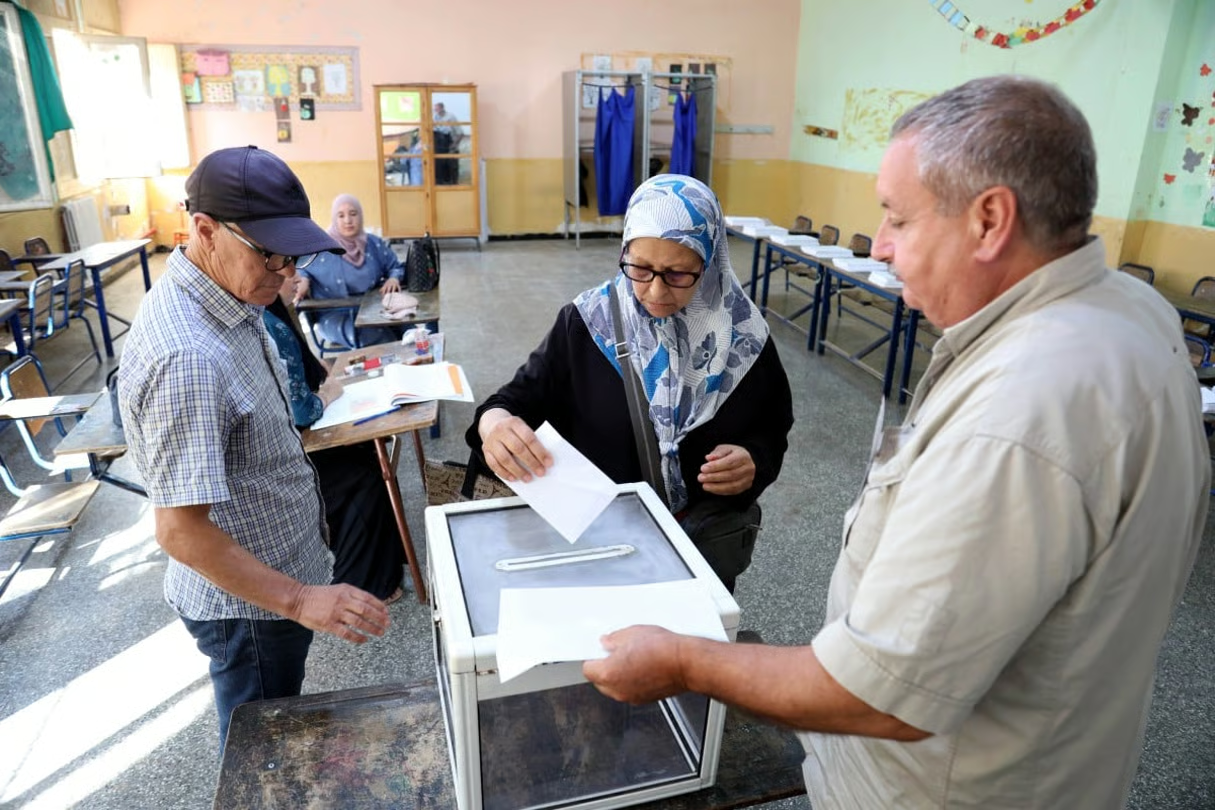
On July 2, 2026, Algeria held its legislative elections under unprecedented circumstances as voter turnout plummeted to a historic low of just 20.79%. The provisional figures, released by the country’s electoral authority, reflect widespread public disillusionment with the political process. This sharp decline in participation marks a significant shift in Algeria’s political landscape, raising questions about the legitimacy of the new parliament and the future of democratic engagement in the nation.
Citizens across Algiers, Oran, Constantine, and other major cities turned out in far smaller numbers than anticipated. Long queues at polling stations, typically a sign of robust civic participation, were notably absent. Instead, empty booths and idle officials painted a stark picture of voter apathy. Analysts attribute this historic low to deep-seated frustrations over economic stagnation, political restrictions, and a lack of credible alternatives among competing parties.
Key factors behind the record-low turnout
- Economic discontent: Years of high unemployment, rising living costs, and limited job opportunities have eroded public trust in the government’s ability to deliver tangible improvements. Many Algerians see voting as an ineffective tool for change when real issues like poverty and inequality remain unaddressed.
- Political disillusionment: Despite promises of reform, the electoral process was marred by allegations of manipulation and a lack of genuine competition. Opposition parties struggled to gain traction, with many voters perceiving the elections as a foregone conclusion.
- Public skepticism: Social media platforms buzzed with calls to boycott the elections, with activists and ordinary citizens alike questioning the transparency of the vote-counting process. The absence of independent monitoring further fueled doubts about the integrity of the results.
Reactions from political actors
Leading political figures offered contrasting responses to the historic turnout. Government officials framed the elections as a success, emphasizing the peaceful conduct of the vote. Meanwhile, opposition leaders condemned the low participation as evidence of a broken system. One prominent activist stated, “This turnout speaks volumes about the disconnect between the government and the people. No amount of spin can disguise the fact that Algerians have lost faith in their leaders.”
The electoral commission defended its figures, attributing the low turnout to a combination of factors including the timing of the elections and the ongoing impact of the COVID-19 pandemic. However, critics dismissed these explanations as insufficient, pointing to structural issues that have plagued Algeria’s political system for decades.
What’s next for Algeria’s political future?
The newly elected parliament faces an uphill battle to regain public trust. With such a low mandate, lawmakers will need to address the root causes of voter disillusionment or risk further erosion of democratic norms. The government’s next moves—whether toward genuine reform or continued repression of dissent—will likely determine whether Algeria’s political crisis deepens or begins to heal.