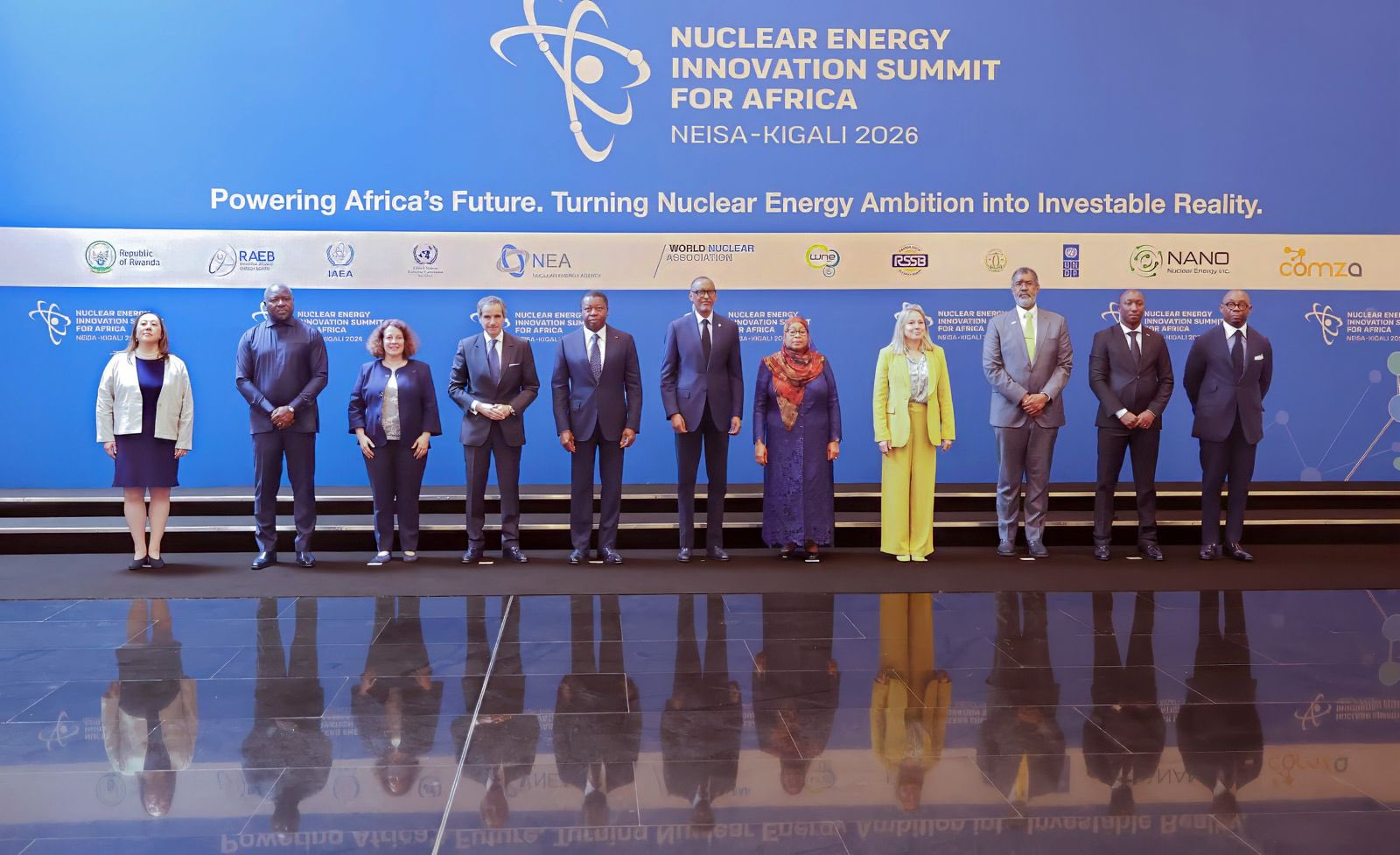
The hallways of Kigali’s convention center buzzed with urgency as African leaders, nuclear experts, investors, and international partners gathered on May 19, 2026, for the second edition of the Nuclear Energy Innovation Summit for Africa (NEISA 2026). The event underscored a continent determined to reshape its energy landscape, balancing immediate shortages with long-term industrial ambitions.
Togo’s president champions energy sovereignty for Africa
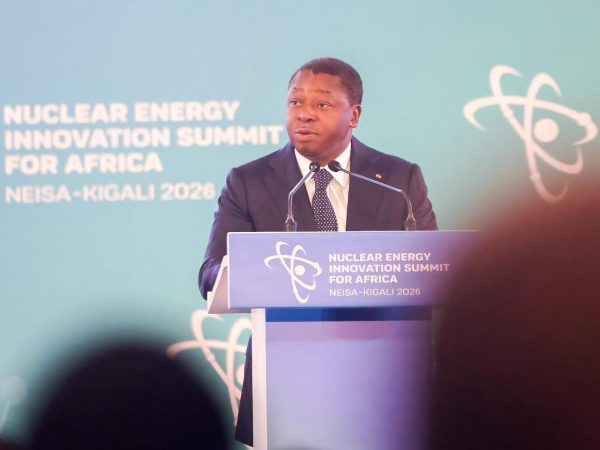
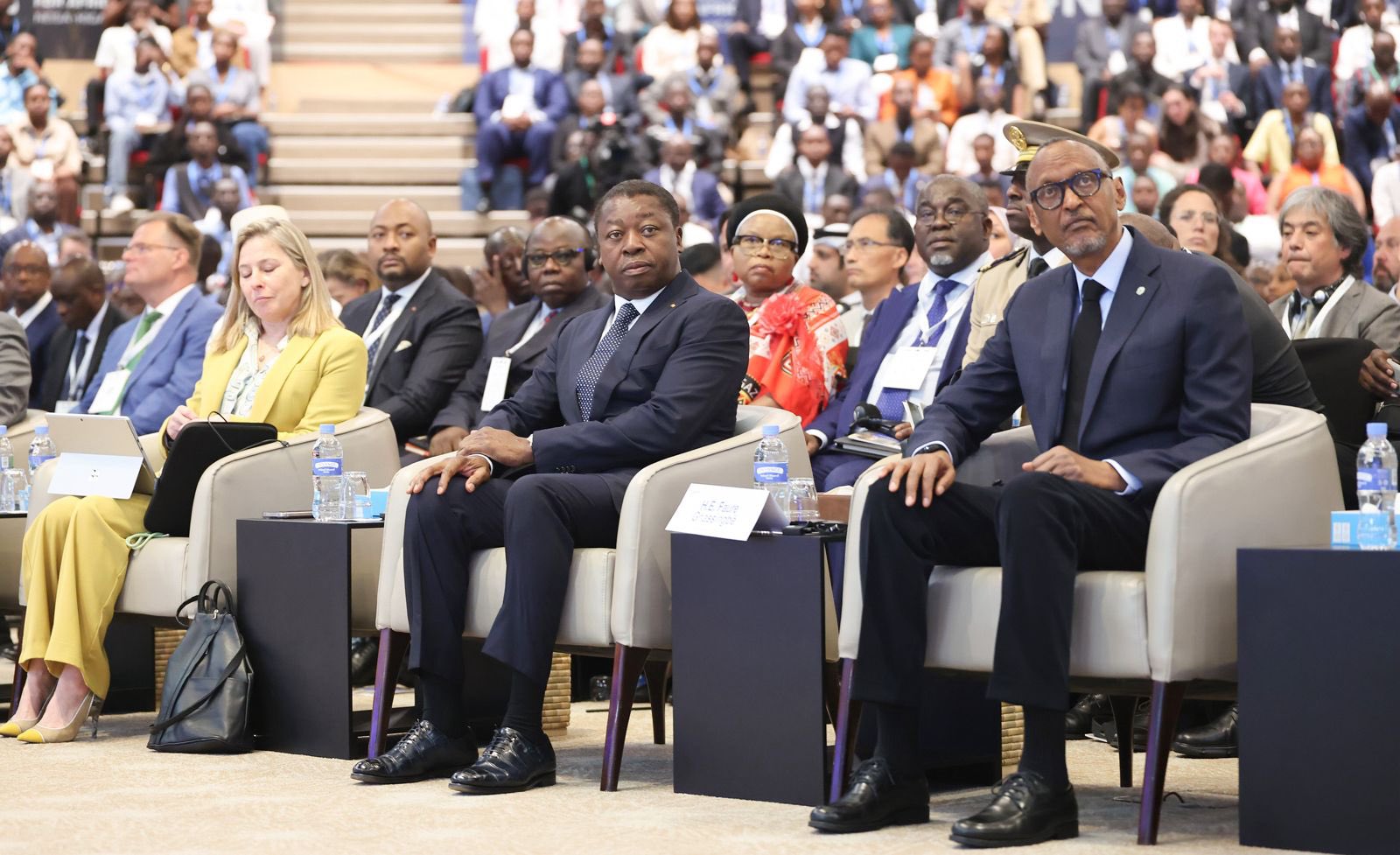
Among the distinguished attendees, Faure Essozimna Gnassingbé of Togo delivered a compelling message: Africa must move beyond merely managing today’s energy shortages and instead invest in technologies that will power tomorrow’s economic transformation. His speech highlighted the critical need for African nations to prepare for the demands of industrialization, population growth, and the digital economy boom.
Underneath the diplomatic and technical exchanges at NEISA 2026 lies a shared reality across the continent: without reliable, cost-effective, and sustainable energy, Africa’s industrialization goals risk remaining out of reach.
Nuclear energy emerges as Africa’s strategic frontier
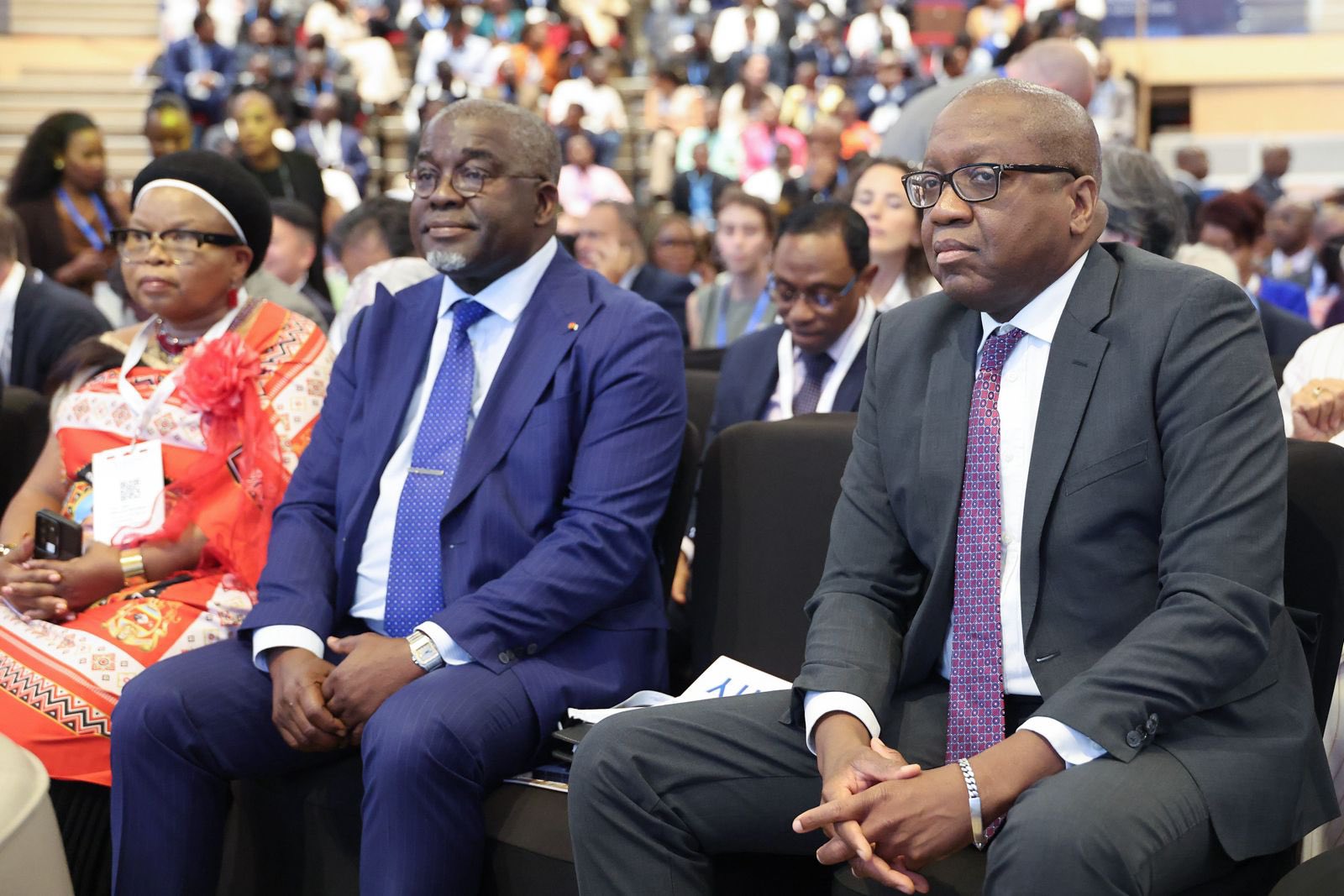
At NEISA 2026, civil nuclear energy took center stage as a game-changing solution. Once viewed as unattainable due to cost and technical barriers, nuclear power is now being reconsidered as a cornerstone of Africa’s energy strategy. Discussions extended beyond electricity generation to encompass sovereignty, industrial competitiveness, and energy security.
The Togo delegation advocated for a forward-thinking approach, emphasizing innovative partnerships, energy diversification, and strengthened regional cooperation as key pillars for sustainable growth.
A Togolese vision rooted in innovation and collaboration
Faure Essozimna Gnassingbé’s address in Kigali reflected a broader ambition: positioning energy access as a catalyst for economic transformation. Togo is championing international collaborations that bring technical expertise, financing, and technological innovation to the forefront of its energy strategy.
The summit’s agenda also covered energy infrastructure, smart grids, financing mechanisms for energy transition, and local skill development—all vital components for African economies facing surging energy demand. These discussions underscored the continent’s commitment to shaping its own energy destiny through sustainable, homegrown solutions.
Kigali summit signals Africa’s proactive energy shift
The NEISA 2026 discussions in Kigali were unmistakably forward-looking. Leaders emphasized the urgency of investing in long-term energy solutions to bolster Africa’s competitiveness in an era of rapid technological change. Togo’s participation highlighted the nation’s role as a proactive advocate for continental energy sovereignty, blending regional cooperation, energy autonomy, and technological innovation.
As the summit concluded, one message resonated clearly: Africa is no longer content to follow; it is charting its own path toward a sustainable and self-reliant energy future.