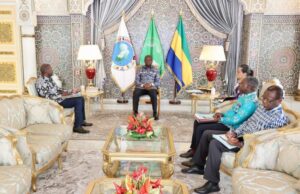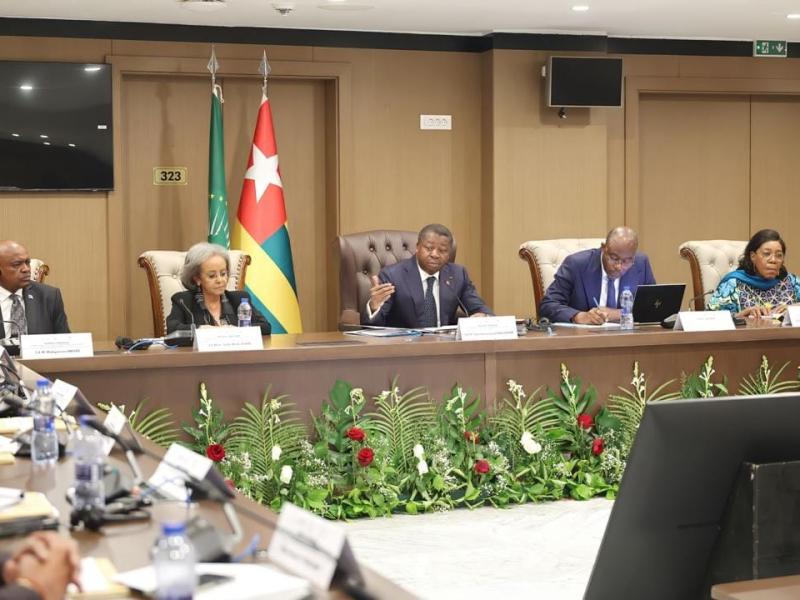
In Lomé, the President of Togo, Faure Essozimna Gnassingbé, acting as the African Union mediator for the crisis in the eastern République Démocratique du Congo (RDC) and the Great Lakes region, led a critical evaluation session. This meeting focused on assessing the mediation’s progress during the first half of the year and establishing a roadmap for the coming months. These discussions occur amidst a diplomatic stalemate and ongoing clashes between government forces and the AFC/M23 rebellion.
A unified front for regional stability
The high-level gathering brought together the College of Facilitators appointed by the African Union alongside representatives from the United Nations, the East African Community (EAC), the Economic Community of Central African States (ECCAS/CEEAC), and the Southern African Development Community (SADC). Also present were delegates from the International Conference on the Great Lakes Region (ICGLR/CIRGL) and the International Committee of the Red Cross (ICRC).
Held over two days, the summit aimed to review the effectiveness of the mediation framework established in Lomé earlier this year. The objective is to align African efforts with international initiatives, specifically the peace processes currently being facilitated in Washington and Doha.
Strategic roadmap for late 2026
The participants adopted several key orientations to guide the mission through the second half of 2026. A primary focus is the enhancement of internal coordination between the Mediator’s office, the Panel of Facilitators, the African Union Commission, and the Independent Joint Secretariat. By structuring a more cohesive African contribution, the mediation seeks to increase the legitimacy and practical implementation of peace agreements.
Furthermore, the session emphasized the need for all involved states and organizations to operate in a spirit of solidarity. This involves respecting the specific mandates and responsibilities defined within the Lomé mediation architecture to ensure a synchronized approach to conflict resolution.
Immediate operational measures
To boost the efficiency of the peace process, several immediate steps were finalized. These include adjusting the work schedules of the facilitators for the remainder of the year and the creation of a detailed operational action plan within fifteen days. This plan will outline exactly how the latest decisions will be executed on the ground.
The mediation team remains committed to fostering a lasting peace in the eastern République Démocratique du Congo. This structure, placed under the authority of Faure Gnassingbé, utilizes a specialized team of co-facilitators, each overseeing a specific pillar of the peace process:
- Olusegun Obasanjo (former President of Nigeria): Military and security matters.
- Sahle-Work Zewde (former President of Ethiopia): Humanitarian issues.
- Uhuru Kenyatta (former President of Kenya): Dialogue with local armed groups.
- Mokgweetsi Masisi (former President of Botswana): Regional economic cooperation.
- Catherine Samba-Panza (former Transitional President of the Central African Republic): Civil society, reconciliation, and gender issues.
The African Union Commission will continue to manage coordination with international partners, including the European Union, the United Nations, and the permanent members of the UN Security Council, to ensure a comprehensive global response to the crisis.