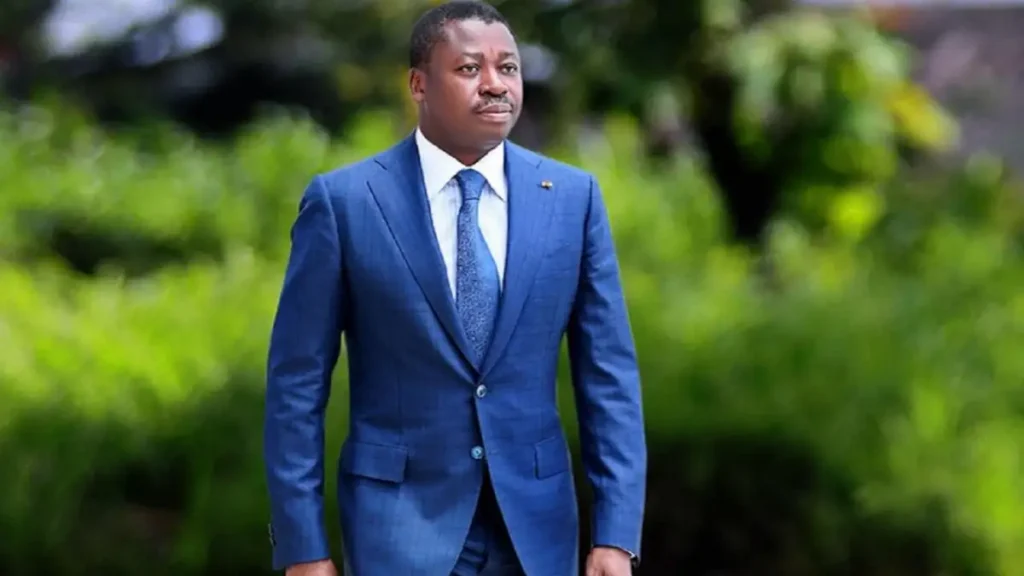
The Nuclear Energy Innovation Summit for Africa is in full swing in Kigali, the capital of Rwanda. Top African leaders are gathering to discuss the continent’s nuclear future. On May 19, Togolese President Faure Gnassingbé shared his vision for nuclear energy in Africa, emphasizing balanced partnerships with global nuclear stakeholders amid rising African nuclear ambitions.
African nations seek a stronger voice in nuclear energy negotiations
Addressing delegates, Gnassingbé rejected any notion of handouts. “Africa is not begging for technology. Africa is offering a partnership. Africa is presenting a market. Africa is proposing a mature vision of its own energy future.” His remarks underscore a broader shift among African nations to reposition themselves in nuclear energy discussions, framing the continent not as a recipient but as an equal partner.
Several African countries are accelerating civil nuclear programs. Egypt, for instance, is constructing the El Dabaa nuclear plant with international technical and financial support. Meanwhile, South Africa remains the only country on the continent with an operational nuclear power infrastructure at the Koeberg plant.
According to the International Atomic Energy Agency, multiple African states are negotiating with foreign partners to expand nuclear power capacity, primarily to address soaring energy demand and chronic electricity access gaps.
Uranium reserves and technological dependence
Africa holds significant natural resources in the nuclear supply chain, particularly uranium. Countries like Niger and Namibia are key producers of this strategic mineral, essential for nuclear fuel. Yet, despite these resources, most African nations rely on foreign technology for designing, building, and managing nuclear facilities. Existing programs depend heavily on partnerships with advanced nuclear nations.
Workforce development, regulation, and funding drive nuclear expansion
Summit discussions also focused on implementation challenges. Experts highlighted the urgent need to strengthen human capacity, including training nuclear engineers and safety personnel. Establishing independent regulatory bodies emerged as another critical priority—prerequisites for any civil nuclear infrastructure development.
Financing remains a major hurdle, with projects often requiring billions of dollars over decades-long timelines. Next steps include finalizing cooperation agreements announced during the summit and structuring national nuclear development programs across the continent.