A significant transformation is underway in the realm of Senegal’s coastal surveillance. Following the announced departure of French forces from its territory in 2024, Dakar is now preparing to entrust a portion of its vital maritime security to Turkey. This pivotal shift, championed by the leadership of President Bassirou Diomaye Faye and Prime Minister Ousmane Sonko, underscores a rapid redefinition of Senegal’s security partnerships. It also poses a critical question for diplomatic circles across the sub-region: does replacing a traditional Western patron with an emerging global player truly enhance sovereignty, or merely represent a transfer of dependency?
Dakar’s assertive diplomatic reorientation
Since the Pastef party assumed power in April 2024, Senegal’s foreign policy has embarked on a distinct new trajectory. The closure of French military bases, initiated in the summer of 2024 and set for completion in 2025, fulfills a key campaign pledge: to break away from the long-standing arrangements inherited from post-independence cooperation. The continued presence of French soldiers in Dakar, a legacy of the French Elements in Senegal (EFS), had become a political liability for an executive elected on a platform of sovereign rupture.
The void left by Paris has not remained unfilled for long. Ankara, which has systematically expanded its influence across the African continent over the past decade, has strategically positioned itself. Turkey is now offering Dakar comprehensive support in maritime surveillance, a sector of immense strategic importance for a nation whose exclusive economic zone spans approximately 158,000 square kilometers and encompasses critical interests in fisheries, migration, and hydrocarbon resources.
Turkey emerges as a key security partner in the wider Gulf of Guinea
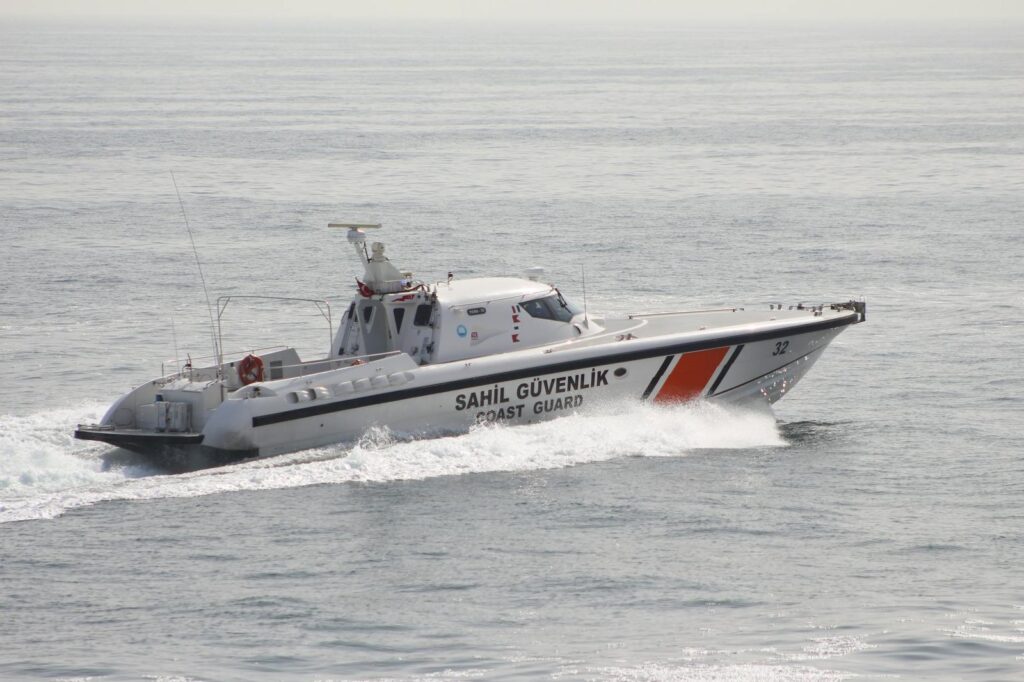
The selection of Turkey as a partner is far from coincidental. Ankara has skillfully leveraged its defense industry as a powerful instrument of diplomatic influence, through prominent groups such as Baykar, ASELSAN, and ARES Shipyard, which are already active in nations like Tunisia, Niger, Togo, and Nigeria. The globally recognized Bayraktar TB2 drones, deployed by over thirty states, serve as the most visible emblem of a defense equipment diplomacy that integrates technology transfer, specialized training, and operational collaboration. For the crucial task of securing Senegal’s coasts, the Turkish proposal is anticipated to combine advanced patrol vessels, sophisticated surveillance systems, and comprehensive training for Senegalese naval crews.
This strategic realignment aligns with broader regional dynamics. The Gulf of Guinea remains one of the world’s most vulnerable areas regarding maritime piracy, illegal fishing, and transnational illicit trafficking. Illegal, unreported, and unregulated (IUU) fishing alone is estimated to cost West Africa several billion dollars annually, according to consistent assessments from various international donors. For Dakar, therefore, safeguarding its maritime frontage is not only a matter of political sovereignty but also a vital defense of crucial economic revenue.
True sovereignty or merely a shift in influence?
The fundamental debate sparked by this strategic pivot extends beyond a simple change of suppliers. Analysts in Senegal are scrutinizing the very nature of this new partnership. Acquiring Turkish capabilities inevitably entails integrating new logistical chains, adopting new training protocols, committing to maintenance contracts, and ultimately, developing a technical reliance that can be challenging to unwind. The precedent set in Libya, where Ankara secured enduring influence in return for decisive military backing, fuels caution among observers.
Nevertheless, the diversification of partners theoretically serves as a powerful instrument of sovereignty. By moving away from a singular, historical partner, Dakar broadens its array of suppliers and gains leverage to negotiate more favorable terms. Turkey, unlike France, lacks a colonial past on the continent and, for the moment, does not impose explicit political conditionalities on its arms sales. This particular argument carries significant weight within the political narrative advanced by the current administration.
In practical terms, the efficacy of this new partnership will be measured by three key indicators: the actual operational capacity deployed along the coastline, the genuine autonomy granted to Senegalese sailors in executing missions, and the transparency surrounding the contracts signed with Turkish defense industries. Without these assurances, the sovereignist gamble risks being merely a change of diplomatic orbit. The coming months, potentially marked by the signing of framework agreements between Dakar and Ankara, will ultimately provide clarity.