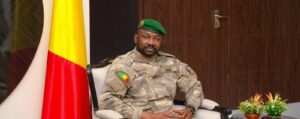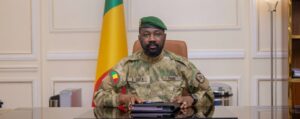
In Bamako, Mali faces relentless pressure from armed groups as the transitional authorities stand firm in their resolve to defend the nation. On April 25, coordinated assaults by jihadists from the Jama’at Nusrat al-Islam wal Muslimin (JNIM), affiliated with al-Qaïda, and separatist rebels of the Front de Libération de l’Azawad (FLA) resulted in devastating consequences: the assassination of Defense Minister General Sadio Camara and the temporary fall of Kidal. Following this, JNIM imposed a blockade on Bamako and intensified attacks across the country.
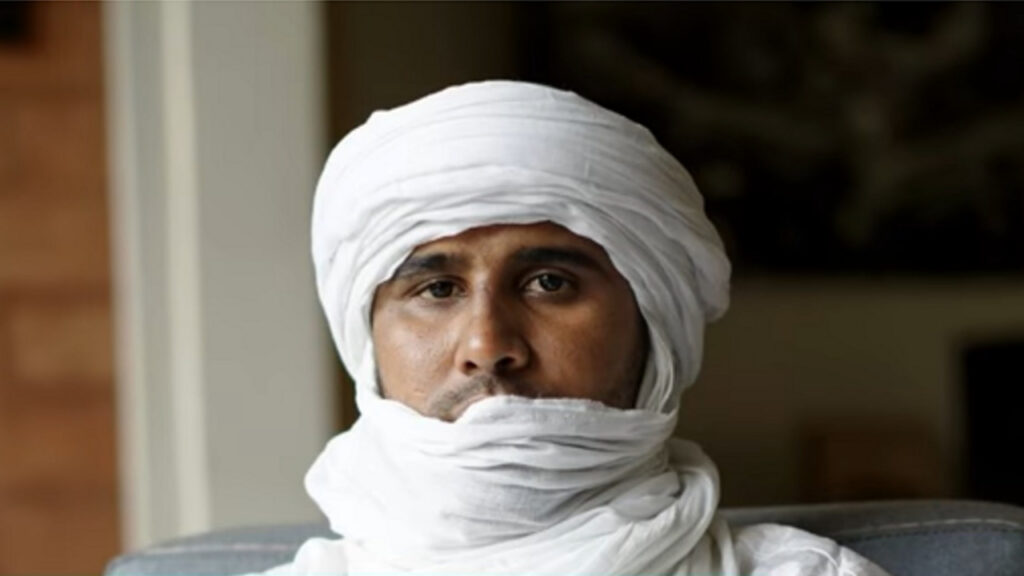
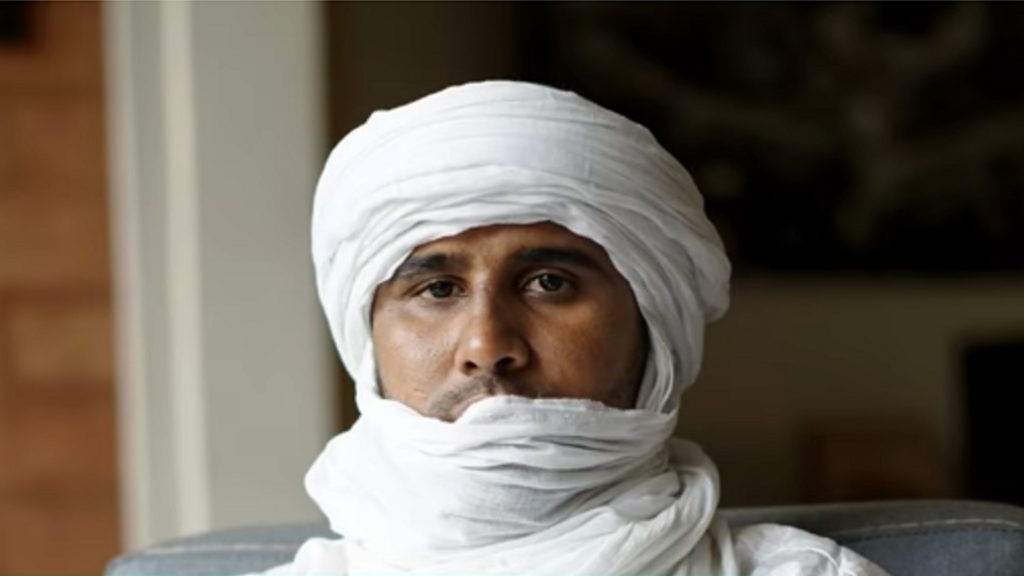
Despite these challenges, the Malian Armed Forces, supported by their Russian allies from the Africa Corps, remain undeterred. They continue operations with unwavering determination. Moussa Ag Acharatoumane, a prominent figure in the National Transitional Council—which serves as Mali’s legislative body in the absence of elections for nearly six years—and leader of the Mouvement pour le salut de l’Azawad (MSA), a politico-military group allied with transitional authorities, shares his perspective on the current crisis.
Mali’s leadership and public support remain steadfast
Q: Since the April 25 attacks, opponents of the transitional regime claim it is weakened. Meanwhile, supporters of the military leadership urge unity. Do you believe Assimi Goïta remains the president Mali needs?
Moussa Ag Acharatoumane: Absolutely. Assimi Goïta continues to govern the country effectively. Despite the April 25 attacks, Mali stands tall as an active, functioning state. Our defense and security forces have successfully repelled terrorist actions, even amid the complexity of internal and external complicity. Today, our army is more united than ever. Commanders and troops on the ground share a strong morale, and operations are ongoing nationwide.
Q: Attacks persist, Bamako is under blockade, yet the regime remains resilient. How do you explain this stability?
The regime is resilient, but what is even more resilient is the Malian people themselves. Malians hold deep affection for their army, their leadership, and their nation. This bond is unshakable.
The JNIM-FLA alliance: a strategic miscalculation
Q: What is your assessment of the alliance between jihadists from JNIM and separatists from the FLA?
Al-Qaïda’s influence is well-documented. Those who chose to align with this group failed to learn from history. In 2012, a similar attempt led to catastrophic consequences witnessed by the world. Some of our brothers, though not all, have remained trapped in al-Qaïda’s web. Many have suffered gravely—some even lost family members to this organization. The same al-Qaïda responsible for the 2013 murders of journalists Ghislain Dupont and Claude Verlon, including Seidane Ag Hitta, a key figure now leading JNIM, continues its destructive path.
This alliance is a grave mistake. Our brothers must recognize the error of their ways and reconsider. They should follow the example of the MSA and GATIA, both politico-military groups allied with the transitional government, which joined forces with the Malian army to combat international terrorism.
Q: FLA leaders insist this is merely a military alliance against a common enemy—the Malian army and Africa Corps—and there is no broader shared agenda.
The evidence speaks otherwise. International al-Qaïda outlets have publicly acknowledged their alliance with the FLA. Iyad Ag Ghali, JNIM’s leader, personally coordinated operations in Kidal alongside Alghabass Ag Intallah, a senior FLA figure. The parades in Kidal, featuring black flags symbolizing their extremist agenda, leave no room for doubt. Our brothers are mistaken. They were victims of this group in 2012, and the same actors persist in 2026.
Anticipating a counteroffensive in Kidal
Q: JNIM and the FLA now control Kidal and Tessalit, while the Malian army and Russia’s Africa Corps hold Aguelhoc and Anéfis. Can we expect a national counteroffensive in the Kidal region?
The defense and security forces are reorganizing and remain firmly present in Kidal. They are determined to conduct operations across the country and will not cede an inch of Malian territory to terrorist groups.
Q: General El Hadj Ag Gamou, appointed governor of Kidal by the transitional authorities in 2023, is reportedly in Gao. Is this accurate? Could he play a role in the upcoming counteroffensive?
General El Hadj Ag Gamou is in excellent health and high spirits. He serves as the governor of Kidal, and counteroffensives, military reorganization, and operations fall under the army’s responsibility. His role is governance, not combat. He is well and fully engaged in his duties.
Security in Ménaka: progress under vigilance
Q: In your region of Ménaka, the Malian army and Africa Corps repelled ISIS offensives in late April. How has the situation evolved since then?
Ménaka is currently under control. Normal life has resumed, with administration functioning and security forces conducting regular patrols alongside their partners. However, the threat remains. We must stay vigilant—Mali is at war with one of the world’s most dangerous terrorist organizations. While calm prevails for now, we remain on high alert.
No negotiation with extremists
Q: Dialogue and negotiation with JNIM and the FLA are advocated by opposition figures like Imam Dicko’s Coalition of Forces for the Republic (CFR). This has been a recurring theme in national dialogues, including under the transitional government. Why does the current administration refuse this approach?
There can be no negotiation with groups whose agenda is the destruction of our nation. The Malian state protects its people and territorial integrity. Under current circumstances, there is nothing to negotiate with these groups unless they abandon their violent ideologies. If they reconsider, there is a place for all Malians in our society—but not under these conditions.