The humanitarian sector in Togo is facing renewed scrutiny after a recent incident at the offices of the non-governmental organization Muslims Around The World (MATW) in Kpogan. The theft of 62 million West African CFA francs in cash has exposed deeper concerns about financial opacity within the country’s charitable organizations.
While the government promotes its poverty reduction programs, a parallel economy thrives in Lomé, where cash transactions dominate and oversight remains alarmingly weak. This shadowy financial landscape allows certain humanitarian groups to operate without traceable records, raising questions about the true motives behind their activities.
Cash-heavy operations fuel financial opacity
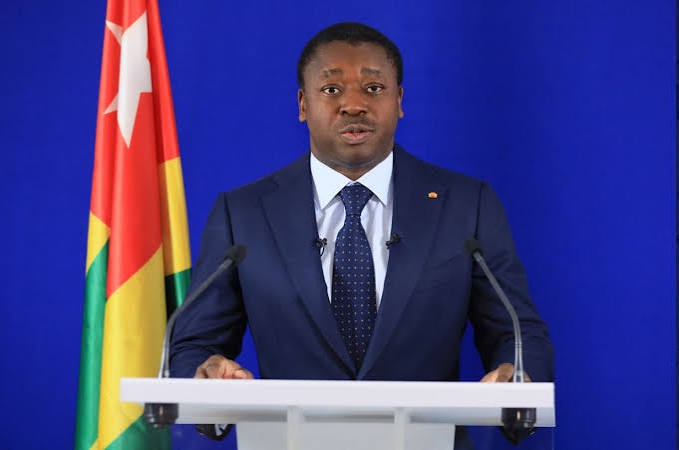
How can a humanitarian group store tens of millions of francs in cash without triggering financial oversight alerts? Experts point to a deliberate lack of regulatory scrutiny, particularly under the administration of President Faure Gnassingbé. The absence of strict controls on fund origins and the widespread use of cash payments create an environment where illicit capital can flow undetected under the guise of charitable work.
A regional financial crime analyst explains, “In Togo, the NGO status effectively provides a shield against transparency, allowing cash to circulate without the usual banking trail.”
The dual role of humanitarian organizations
Critics argue that the proliferation of unmonitored charitable funds serves a dual purpose for the regime. First, it allows the recycling of undeclared funds while boosting the government’s public image among vulnerable populations. Second, it provides an informal channel for distributing wealth among political allies without leaving a paper trail.
These irregular financial flows undermine the country’s commitment to international compliance standards, despite official declarations to the contrary.
A regulatory gap exploited by powerful interests
While commercial banks in Lomé face stringent scrutiny from the Banque Centrale des États de l’Afrique de l’Ouest (BCEAO), the humanitarian sector operates in a legal gray area. This disparity allows well-connected individuals to exploit charitable organizations for financial maneuvering, further deepening public distrust in the system.
Without enforced banking regulations and mandatory audits for NGO funds, the humanitarian sector in Togo will continue to be viewed as a front for financial misconduct rather than a genuine force for social good.