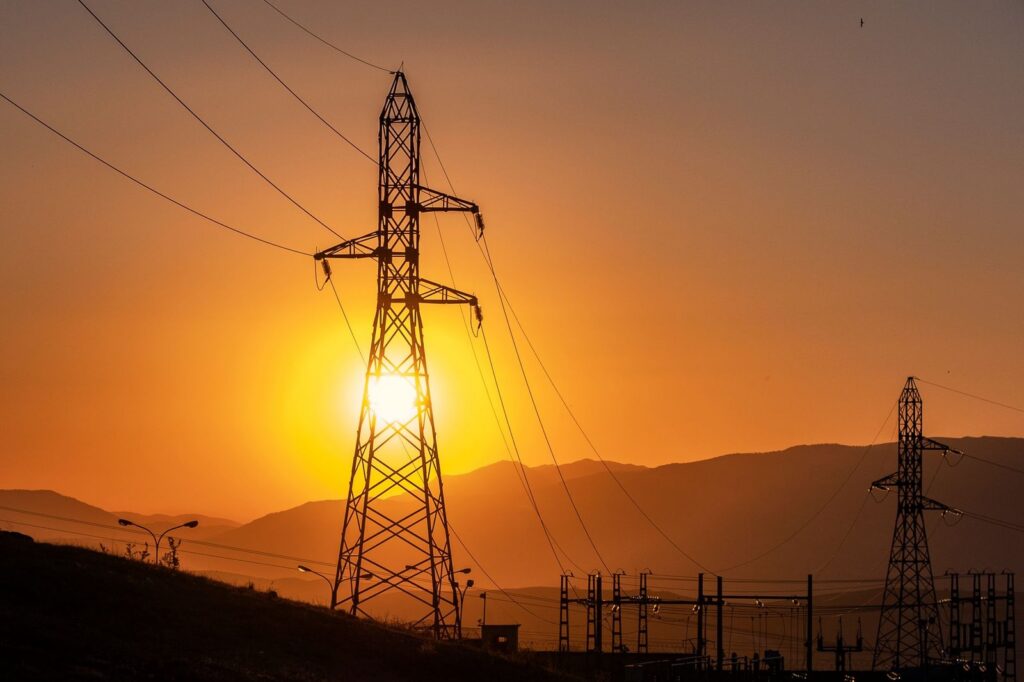
The Gabonese government has officially ended the era of the Société d’énergie et d’eau du Gabon (SEEG). During a cabinet meeting on Thursday, June 25, 2026, the executive approved two draft laws that dissolve the single operator and create two separate entities. The first, named La Gabonaise des Eaux, will handle the production and distribution of drinking water. The second, Électricité du Gabon, will focus on the electricity segment, from generation to commercialisation. Both will operate as mixed economy companies, combining state ownership with private capital.
A split that ends decades of integrated operation
Established in 1997 under a 20-year concession to the French group Veolia, SEEG was the model of an integrated utility, managing both water and electricity under one banner. This approach, common in francophone Africa in the late 1990s, had been showing its limits in Gabon for years, with frequent blackouts, aging infrastructure, and chronic financial difficulties. The return of the concession to public control in 2018 failed to halt the decline in service quality, which drew complaints from residential subscribers and economic actors alike.
By separating the two businesses, Libreville is betting on specialisation. The economic and technical logic of water and electricity differ greatly. Electricity requires heavy investment in thermal and hydroelectric generation, energy mix decisions, and expertise in high-voltage grid management. Water, on the other hand, involves access to resources, treatment, and expansion of urban networks. Housing both activities in a single entity often diluted investment priorities.
The bet on the mixed economy company
The choice of the mixed economy company status is deliberate. It reflects the Transition authorities’ desire to maintain public control over essential services while opening the door to technical and financial partners that can bring capital and expertise. This hybrid model has been tried elsewhere on the continent with mixed results. In Sénégal, Sen’Eau has associated the state with Suez since 2020 for drinking water distribution. In Côte d’Ivoire, the affermage model with CIE and SODECI remains a regional reference.
What remains to be seen is the precise capital distribution for each of the two new entities and the identity of potential strategic partners. The Gabonese government has not yet released a detailed timetable for operational implementation, nor specified the fate of the former SEEG’s assets and staff. The transfer of existing contracts, accumulated debts, and commitments to international donors will be among the most delicate tasks of the transition.
A political test for the Transition
Beyond the technical dimension, the reform carries strong political significance. The authorities from the Committee for the Transition and Restoration of Institutions (CTRI) have made improving public services a hallmark of their work. Water and electricity supply is among the most visible grievances for the Gabonese population, especially in peri-urban areas of Libreville and Port-Gentil. An institutional reform alone will not solve decades of underinvestment in infrastructure.
Traditional sector donors, led by the African Development Bank and the French Development Agency, will closely watch the concrete implementation of this new architecture. The credibility of the system will largely depend on governance within the two companies, the quality of the tariff framework, and the regulator’s ability to balance financial sustainability with service accessibility. For Gabonese industries, especially mining and forestry players who are heavy energy consumers, the stability of the new setup will be closely monitored. The two draft laws still need to be reviewed by the Transition Parliament before taking effect.