
Gabon recorded a trade surplus of 6.90 billion usd in 2025, a result that underscores the country’s structural strength despite a global environment marked by shrinking trade flows, declining oil prices, and disruptions on maritime routes. This achievement is based on a solid net differential between exports, which held at 10.73 billion usd, and imports, which remained stable at 3.83 billion usd.
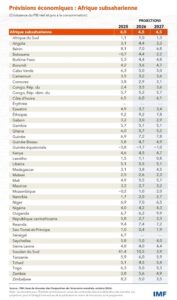
The export-to-import ratio of more than 2.8 to 1 positions Gabon favourably within the cemac zone, where several other economies have seen their trade balances squeezed under the weight of rising freight costs and input prices. The surplus stands out even more against the backdrop of a modest 4.6% growth in global merchandise trade in 2025, following a contraction in 2023, and forecasts pointing to a sharp slowdown to 1.4% in 2026.
This positive trade performance sends a strong signal to investors and international partners, confirming Gabon’s ability to maintain a healthy external position amid challenging conditions. Beyond the headline figure, the surplus provides a foundation for rebuilding foreign exchange reserves, which currently stand at 1 billion usd—equivalent to 2.1 months of import cover. Although this level falls short of the three-month threshold recommended by the imf, it remains a key area of focus for policymakers in Libreville.
Turning a structural trade surplus into consolidated reserves is one of the most pressing macroeconomic management tasks for the authorities. The data, drawn from the african trade report 2026 by afreximbank, highlights the resilience of an economy that continues to generate significant foreign currency inflows while keeping import demand in check.