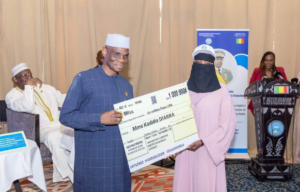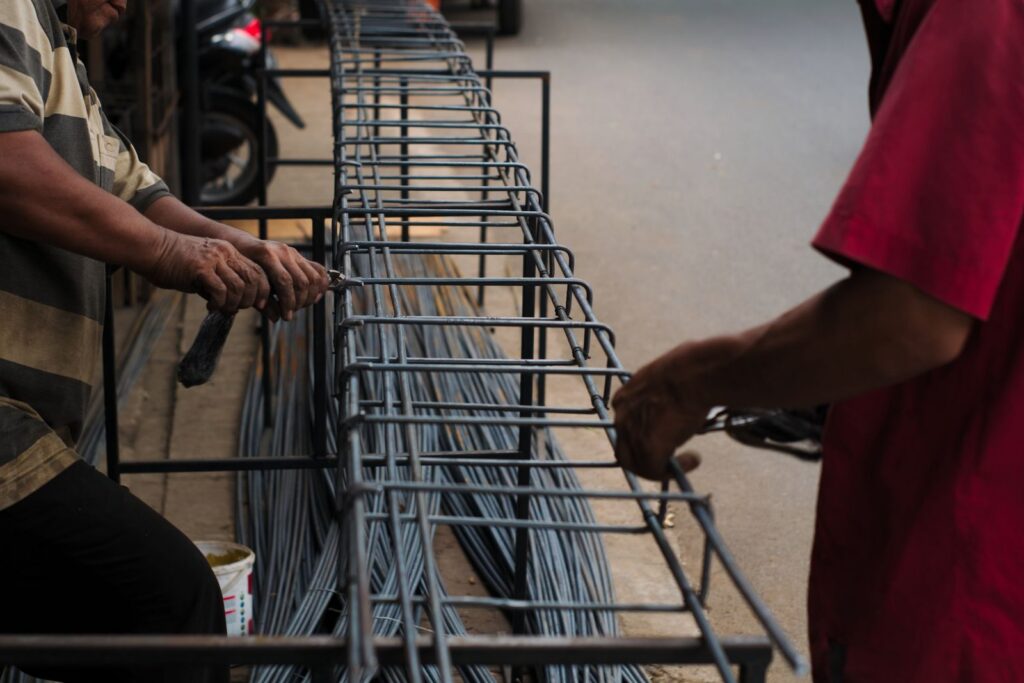
The local production of rebar is set to redefine Gabon’s industrial landscape. On July 1st, at Nkok, the Minister of Industry and Local Transformation, Lubin Ntoutoume, inaugurated the construction of Prometal Gabon’s new plant. This joint venture between the State and the Pometal Group represents a 38 billion FCFA investment, with construction expected to span 24 months within the Special Investment Zone (ZIS) of Nkok. Once operational, the facility aims to produce 60,000 tons of rebar annually.
This initiative aligns with a broader push by Libreville to reduce reliance on imports. Gabon currently imports a substantial portion of its steel products despite its mineral-rich subsoil. By fostering domestic manufacturing, policymakers aim to curb foreign exchange outflows and strengthen a manufacturing sector historically dominated by raw material exports.
Nkok: a hub for local transformation
Operational for over a decade, the Nkok ZIS serves as a flagship for Gabon’s diversification strategy. This free zone, benefiting from preferential tax and customs regimes, hosts businesses in timber, light metallurgy, and logistics. The addition of a rebar-focused steel plant reinforces an evolving ecosystem that is gradually fostering integrated value chains, particularly in construction and public works.
The site’s strategic location is no coincidence. Nkok is connected to the Transgabonais railway and provides easy access to the Owendo port—critical infrastructure for handling heavy, bulk materials. For Prometal Gabon, logistics represent a pivotal cost factor; producing competitively priced rebar hinges on securing reliable supply chains and distribution networks to major urban centers like Libreville, Port-Gentil, and Franceville.
1,350 jobs and ripple effects
The project’s social impact is substantial. The 1,350 jobs—both direct and indirect—address a pressing concern: youth unemployment in Gabon. Beyond the plant itself, the initiative is expected to stimulate local economies through subcontractors, transporters, maintenance providers, and technical service suppliers once production begins.
Yet challenges remain. The steel industry demands specialized skills in metallurgy, plant operations, and industrial maintenance—fields where Gabon’s technical education system lags. Prometal will likely need to blend local hiring with expertise transfer, a balance closely monitored by public authorities within the framework of public-private partnerships guiding the project.
A subregional industrial gamble
With an annual capacity of 60,000 tons, Prometal Gabon’s ambitions extend beyond Gabonese borders. Domestic demand for rebar, driven by infrastructure projects and urban housing, falls short of this output. The surplus positions Gabon to tap into regional markets, targeting Equatorial Guinea, the Republic of the Congo, and southern Cameroon—regions with high construction material needs and fragmented competition.
This subregional ambition unfolds amid a Central African Economic and Monetary Community (CEMAC) landscape struggling to cultivate integrated industrial champions. By establishing a steel plant domestically, Gabon seeks to capture added value that has historically flowed to Asian and European importers. The 24-month timeline for completion will test the credibility of the Nkok model, which has faced criticism for project delays.
Success hinges on macroeconomic stability and seamless collaboration between Prometal and the State, its majority shareholder. Regional precedents underscore that steel projects demand robust governance and long-term clarity on energy tariffs and land use. The groundbreaking ceremony, led by Minister Lubin Ntoutoume, marked the official launch of this transformative venture.