Gabon-EU fisheries talks enter critical phase: Libreville pushes for tangible local returns
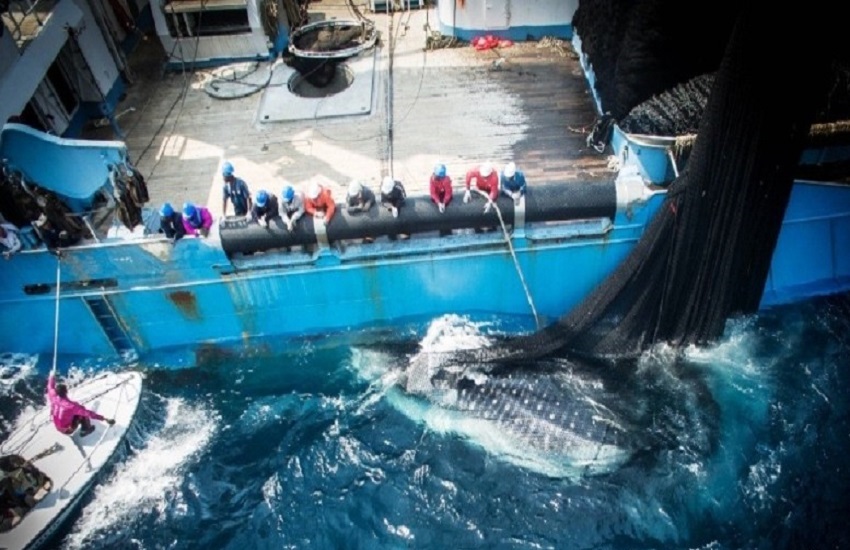
Libreville, September 23, 2026 — Gabon and the European Union have initiated high-stakes negotiations to reshape their fisheries partnership, with Gabon demanding concrete economic returns rather than mere access to its waters.
On September 18, Gabon’s government formally approved the restart of talks for a new Sustainable Fisheries Partnership Agreement and its implementing protocol. This development comes over a year after Libreville terminated the previous agreement on June 4, 2025, following its expiry on June 28, 2026.
The suspended framework no longer grants European vessels automatic fishing rights in Gabonese waters. The previous exclusivity clause prevented bypassing restrictions through individual permits, forcing both parties back to the negotiating table.
Revisiting the financial framework
The core of the negotiations will center on financial terms. The previous protocol tied the EU’s annual contribution—1.6 million euros for access and 1 million euros for sector development—to a theoretical reference capacity of 32,000 tons of catches. However, actual European vessel landings averaged just 10,604 tons annually between 2022 and 2024.
- Only 54% of the 27 purse seiner licenses were utilized on average
- None of the six tuna longliner licenses were ever used
- Gabon captured just 23% of the value-added from the agreement, with significant spillovers benefiting ports in Côte d’Ivoire and Senegal
These disparities highlight the need to recalibrate the next agreement’s terms, including tonnage calculations, fee structures, and vessel quotas.
From resource access to economic sovereignty
Gabon’s primary objective is no longer just securing compensation for access to its waters but transforming its fisheries sector into a driver of domestic economic growth. The previous deal included provisions requiring at least 30% of catches to be transshipped in Gabonese ports, with bycatch landings mandatory there. Yet, compliance was minimal, with most landings occurring in Côte d’Ivoire.
Key questions for the new agreement include:
- How to increase local processing and port usage
- How to ensure meaningful employment for Gabonese workers
- How to redirect a larger share of the value chain to national stakeholders
The transparency of future agreements will hinge on verifiable outcomes—not just financial transfers. The EU’s evaluation revealed that only 2 million euros of a planned 5 million euro sector support fund were disbursed, with infrastructure projects stalled and performance metrics focusing on outputs rather than impact.
Technical weaknesses and accountability
The previous protocol included provisions for Gabonese crew boarding on EU vessels, yet no compliant lists were ever provided to European shipowners, rendering these clauses unenforceable. Additionally, discrepancies in catch reporting—due to an underperforming electronic declaration system—undermined data reliability.
Proposed fixes include:
- Reassessing the six unused longliner licenses
- Strengthening real-time catch tracking and verification
- Ensuring transparent, independently audited reporting of landings and economic benefits
Gabon is entering these negotiations with a clear mandate: every ton of fish caught must translate into measurable benefits for its economy. This includes jobs, infrastructure development, and value addition through local processing. The next agreement will be judged not by promises, but by tangible, sustainable returns.
For Libreville, this is not merely a fisheries deal—it is a strategic step toward economic sovereignty through responsible resource management.