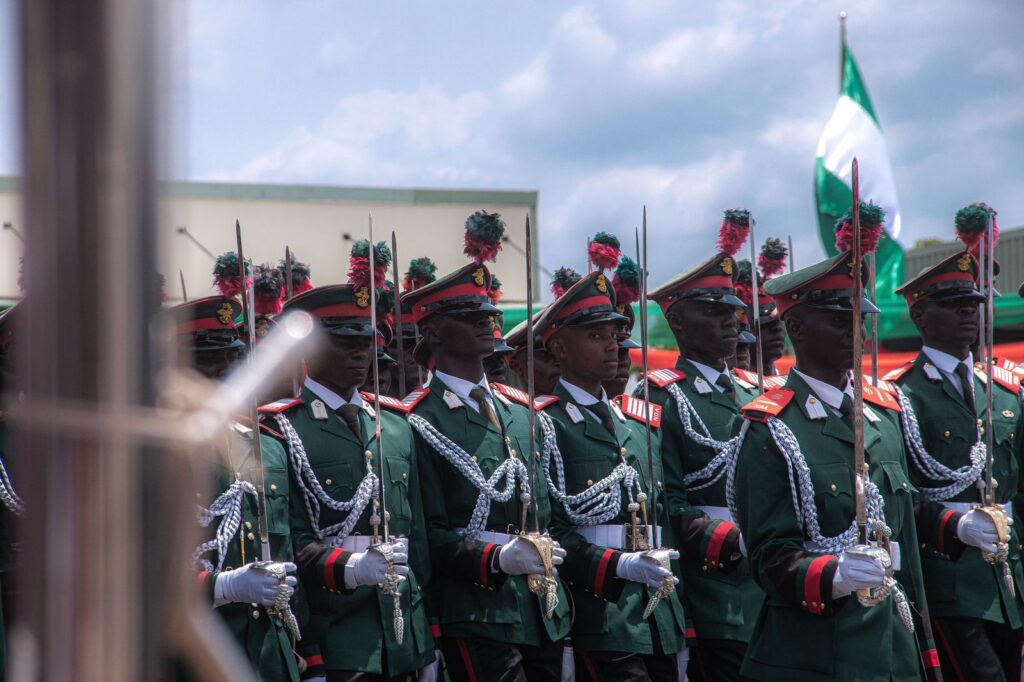
The Gabonese defense budget has reached a historic milestone for 2026. State Minister Brigitte Onkanowa presented a 377.68 billion FCFA allocation during a June 11 session before the Finance, Budget, and Public Accounting Commission of the National Assembly. This budget allocation, embedded in the 2026 revised finance bill, aims to enhance the operational capabilities of Gabon’s armed forces amid shifting political and security dynamics in Central Africa.
The budgetary decision follows Libreville’s commitment to revitalizing its military apparatus after the regime change of August 2023. Transition authorities, nearing the end of their institutional cycle, have prioritized defense modernization as a cornerstone of their governance agenda. The proposed funding reflects their resolve to align military resources with national defense objectives.
Budget allocation prioritizes operational readiness and modernization
During her address, Minister Onkanowa outlined key strategic priorities for the defense sector. The funding will strengthen military living conditions, advance equipment procurement programs, and address maintenance needs for aging defense infrastructure. The budget reflects a dual approach: consolidating existing capabilities while expanding operational reach across the country.
The presentation emphasized alignment between President Brice Clotaire Oligui Nguema’s security commitments and the ministry’s financial trajectory. Gabonese authorities view security as intrinsically linked to economic sovereignty, particularly amid rising maritime security concerns in the Gulf of Guinea and pressures on territorial waters from migration and illegal fishing.
Human capital and infrastructure: key focus areas
The 2026 defense budget will accelerate several modernization initiatives, including the acquisition of new equipment and upgrades to military facilities nationwide. Critical areas include barracks, healthcare support, and individual soldier gear—long-standing deficits highlighted by service members. The challenge lies in converting budget allocations into measurable operational improvements without diverting funds to non-essential projects.
Personnel welfare remains a central pillar of the strategy. Salary adjustments, social coverage expansions, and professional development programs are designed to enhance retention and career progression. Minister Onkanowa reiterated the state’s duty to active-duty personnel and veterans, in line with presidential directives.
Political significance of defense funding
Beyond the financial figure, the 377.68 billion FCFA allocation carries significant political weight. It signals defense as a top priority for Gabonese authorities during this period of institutional consolidation. The sustained high-level investment in the military underscores efforts to fortify state resilience and mitigate border security vulnerabilities.
The focus now shifts to execution. In previous fiscal cycles, parliamentarians have raised concerns about discrepancies between authorized spending and actual disbursements in key ministries. How effectively the Defense Ministry manages this budget—from procurement timelines to transparent fund utilization—will be closely monitored throughout 2026. For Libreville, the stakes extend beyond budgetary arithmetic: the goal is to prove that substantial financial commitments translate into tangible improvements in Gabon’s military operational posture.