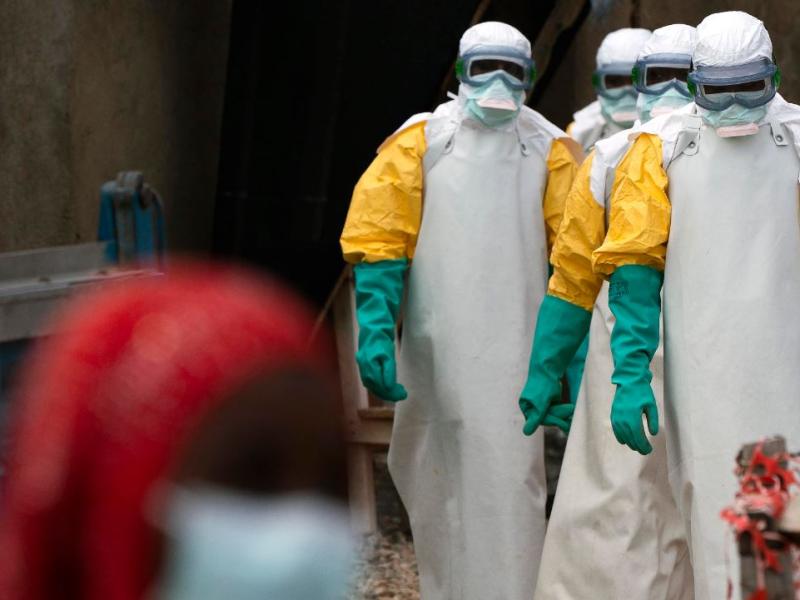
Ebola outbreak in eastern Democratic Republic of Congo intensifies with 515 confirmed cases and 91 deaths
The Ebola virus disease (Ebola Virus Disease, EVD) outbreak, caused by the Bundibugyo strain, continues to spread across eastern Democratic Republic of Congo. The latest situation report from the National Institute of Public Health (Institut National de Santé Publique, INSP), published on June 7, confirms 515 confirmed cases in the provinces of Ituri, North Kivu, and South Kivu since the outbreak began.
Of these cases, 91 have resulted in death, representing an overall case fatality rate of 17.7%. Health officials report that 283 patients remain in isolation or hospitalized, while 12 individuals have recovered since the outbreak’s onset.
In the last 24 hours alone, 27 new confirmed cases have been recorded, highlighting the ongoing and rapid spread of the virus.
The Ituri Province remains the epicenter of the epidemic
The outbreak has now affected 25 health zones across the country, according to official data. Ituri Province continues to bear the brunt of the epidemic, with 17 of its 36 health zones reporting cases. These include Aru, Aungba, Bambu, Bunia, Damas, Gety, Kilo, Komanda, Lita, Logo, Mambasa, Mangala, Mongbwalu, Nizi, Nyankunde, Rimba, and Rwampara.
The neighboring provinces of North Kivu and South Kivu are also experiencing active hotspots, indicating the geographical expansion of the epidemic beyond its initial epicenter.
North Kivu and South Kivu report additional fatalities
In North Kivu, the Katwa health zone remains the primary active focus, with 11 confirmed cases and 8 deaths. Other affected areas include:
- Beni: 5 confirmed cases and 3 deaths;
- Butembo: 4 confirmed cases and 2 deaths;
- Miti-Murhesa: 3 confirmed cases and 1 death;
- Oicha: 2 confirmed cases and 2 deaths;
- Kalunguta: 1 confirmed case and 1 death;
- Kyondo: 1 confirmed case and no deaths;
- Goma: 1 confirmed case and no deaths.
The situation remains critical, with health authorities emphasizing the need for continued vigilance and adherence to preventive measures to curb further transmission.
Challenges in the response effort
The response teams face significant challenges, including persistent insecurity in certain areas of Ituri, logistical hurdles in accessing affected communities, and the ongoing need to counter misinformation and rumors that hinder containment efforts.
Health authorities are urging the population to report suspected cases immediately and to strictly follow preventive measures to limit the spread of the virus. Public cooperation and community engagement remain critical to bringing the outbreak under control.