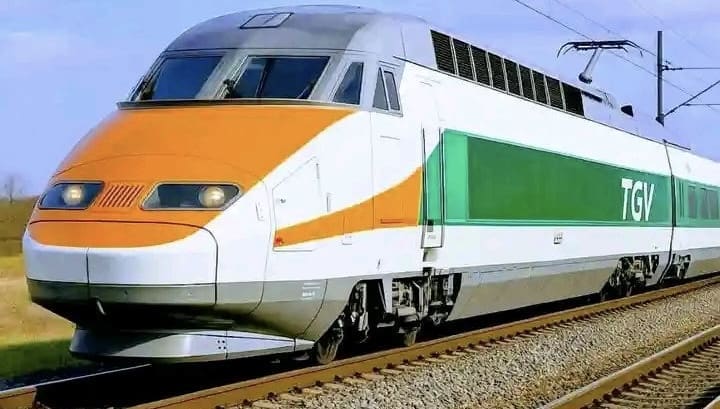
The Côte d’Ivoire is on the brink of a transformative leap in its infrastructure development. As part of the National Development Plan (NDP) 2026-2030, the government has announced plans to construct a high-speed train (TGV) connecting the southern economic hub of Abidjan to the northern regions, including key cities like Ferkessédougou, Yamoussoukro, Bouaké, and Korhogo. This landmark project aims to redefine the country’s economic and territorial landscape, positioning the nation as a pivotal player in West Africa’s future.

This 640-kilometer high-speed rail project is not merely a technical achievement; it is a strategic infrastructure that will bridge the country’s economic divide. By drastically reducing travel times between major urban centers, the TGV will enhance mobility for both people and goods, fostering sustainable development across regions. The Minister of Planning and Development, Souleymane Diarrassouba, highlighted that the journey from Abidjan to Yamoussoukro will be slashed to just 45 minutes, revolutionizing daily commutes and enabling professionals to live in one city while working in another.
Comprehensive transport modernization: metros, airports, and roads
The high-speed rail initiative is just one pillar of a broader strategy to modernize the country’s transport networks. The government has also committed to launching the Abidjan Metro, a 37-kilometer network, by 2029. Additionally, two new international airports are in the pipeline: one in San-Pedro, in the southwest, and another in Bondoukou, in the east. These developments will significantly boost the country’s connectivity, both domestically and regionally.
The NDP 2026-2030: a roadmap for structural transformation
Central to this vision is the National Development Plan (NDP) 2026-2030, which outlines a series of strategic priorities. These include strengthening regional economic hubs, accelerating industrialization, and promoting local production. The plan underscores the government’s role as a driving force behind national development, aiming to elevate the Côte d’Ivoire to the status of an upper-middle-income country by 2030 while maintaining social stability and cohesion.
Mobilizing over 114 trillion FCFA for national progress
To turn these ambitions into reality, the government estimates a total investment requirement of 114,838.5 billion FCFA for the 2026-2030 period. The financing strategy relies on a balanced approach, with 30% of funds coming from the public sector and 70% from private investors. A high-level consultative group meeting is scheduled for July 8-9, 2026, in Abidjan, to rally international financial partners. This event, supported by institutions such as the World Bank, European Union, Africa Development Bank, and United Nations, will showcase the country’s development vision and attract the necessary capital to execute the plan.
Positioning Côte d’Ivoire as West Africa’s economic leader
Through these ambitious projects, the Côte d’Ivoire is setting its sights on becoming a leading economic, industrial, and logistical hub in West Africa. The combination of high-speed rail, metro expansion, new airports, and road network upgrades will not only support the country’s growth but also enhance its regional competitiveness. This transformation reflects a bold commitment to shaping a prosperous and interconnected future for the nation and its people.