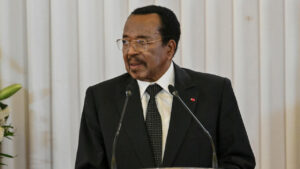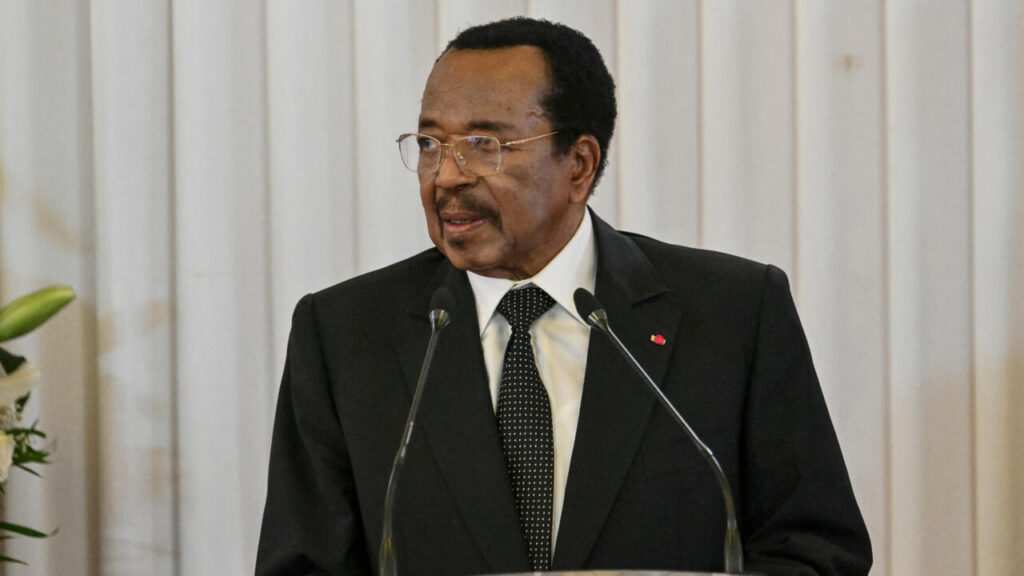
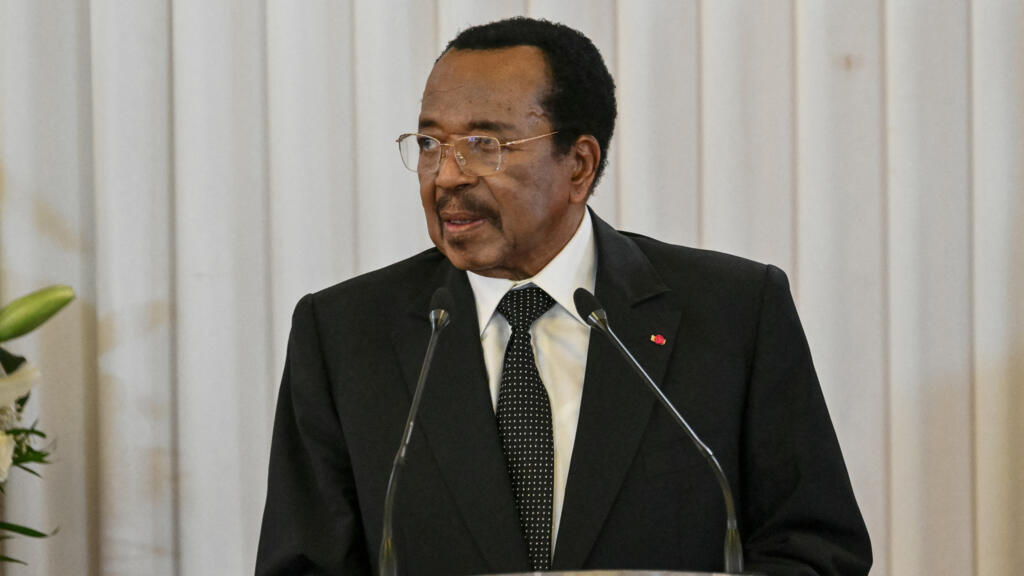
President Paul Biya of Cameroon has not been seen publicly since June 7th, a date when the official publication, Cameroon Tribune, announced his departure for what was described as a “short private stay in Europe.” Now, more than 50 days later, there has been no official communication regarding his current whereabouts or any indication of a potential return date. This extended silence from the government, coupled with the fact that the Cameroonian president is 93 years old, is fueling widespread speculation and deep concerns about the stability and continuity of the state.
Political opposition parties have openly voiced their apprehension, speaking of a “power vacuum,” a government operating on “autopilot,” or even one functioning via “telework.” This situation raises critical questions about the country’s governance: What constitutional provisions are in place for such a prolonged presidential absence? And could this extended hiatus potentially create significant impediments in the effective management of crucial national affairs?
To delve deeper into these pressing issues, we sought insights from Stéphane Akoa, a distinguished political analyst affiliated with the Paul Ango Ela Foundation. His expertise helps shed light on the potential ramifications of this unprecedented situation for Cameroon’s governance and future direction.