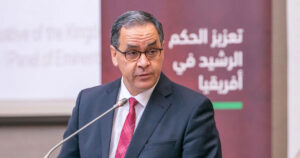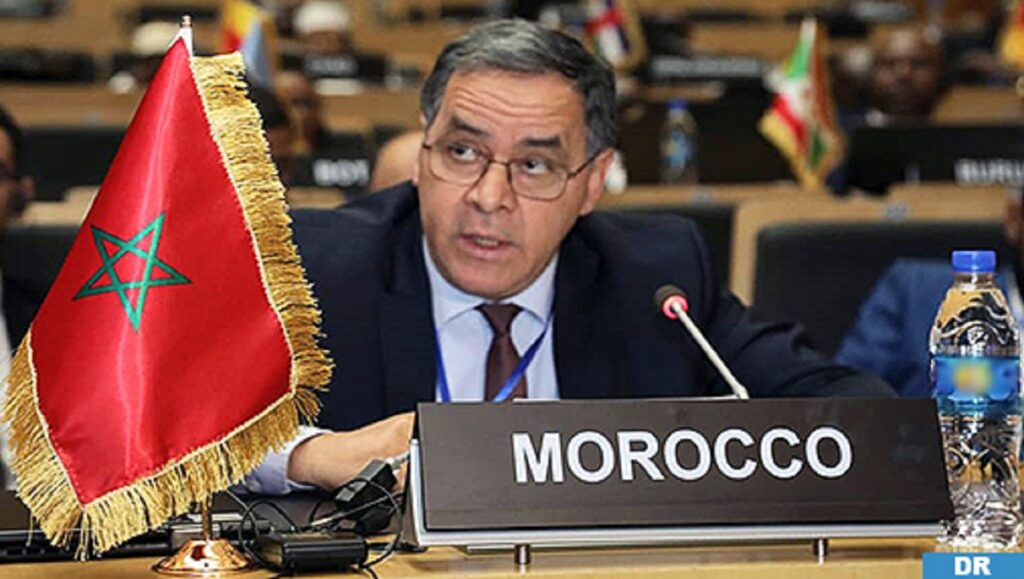
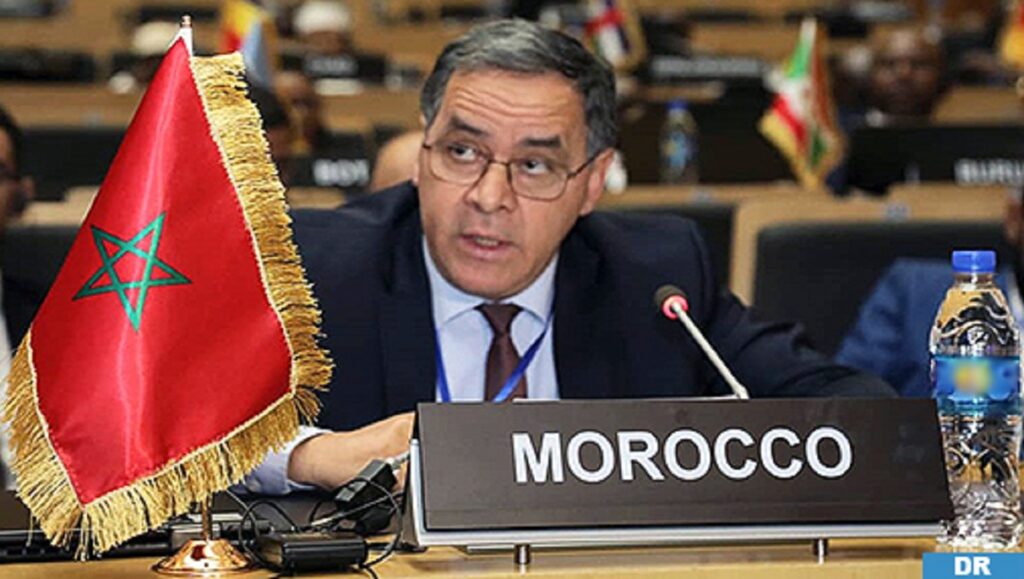
During a session of the African Union Peace and Security Council on June 9, 2026, Maroc reaffirmed its steadfast dedication to finding a diplomatic resolution to the ongoing situation in Libye.
Mohamed Arrouchi, the Kingdom’s permanent representative to the African Union and the United Nations Economic Commission for Africa, voiced Maroc’s continued support for national reconciliation efforts. He highlighted the necessity of fostering inclusive dialogue between all parties involved in the Libyan landscape.
The Skhirat Agreement as a foundational pillar
The ambassador pointed to the Skhirat Agreement, established on December 17, 2015, under the guidance of the United Nations, as the essential framework for achieving a lasting peace. He stressed that maintaining the sovereignty, unity, and territorial integrity of Libye remains a top priority for the region.
Maroc also expressed its high regard for the African Union’s initiatives aimed at securing stability across the continent. Specifically, the Kingdom praised the organization’s work in facilitating political pathways to resolve the Libyan crisis.
Progress through diplomatic mediation
The discussion recalled the significant meetings held in Tripoli and Zenten. These negotiations led to a pivotal agreement signed on January 7, 2026, in the Libyan capital, between delegates from the Government of National Unity and the administration in Eastern Libye.
Maroc’s role in bridging the gap between various factions was underscored as a vital component of the political process. This involvement adheres to international law and builds upon the consensus reached in both Skhirat and Bouznika. The Kingdom remains firm in its stance that a political settlement is the only viable path forward, explicitly rejecting any military alternatives.